Stop Slips with ComposiGrip™ Non-Slip Stair Treads & Strips
-
2 Pack Beige Non-Slip Stair Treads – Prevent Falls on Wood, Metal & Concrete Indoor & Outdoor Steps - ComposiGrip™ 48" Anti-Slip Step Covers | Rain, Snow, Ice
Regular price From $148.80 CADRegular price -
2 Pack Gray Non-Slip Stair Treads – Prevent Falls on Wood, Metal & Concrete Indoor & Outdoor Steps - ComposiGrip™ 48" Anti-Slip Step Covers | Rain, Snow, Ice
Regular price From $148.80 CADRegular price -
2 Pack Black ComposiGrip™ 48" Non-Slip Stair Treads – Prevent Falls on Wood, Metal & Concrete Indoor & Outdoor Steps, Anti-Slip Step Covers for Rain, Snow, Icy Steps
Regular price From $148.80 CADRegular price -
2 Pack Safety Yellow High Visibility, ComposiGrip™ 48" Non-Slip Stair Treads – Prevent Falls on Wood, Metal & Concrete Indoor & Outdoor Steps - Anti-Slip Step Covers for Rain, Snow, Icy Steps
Regular price From $149.90 CADRegular price -
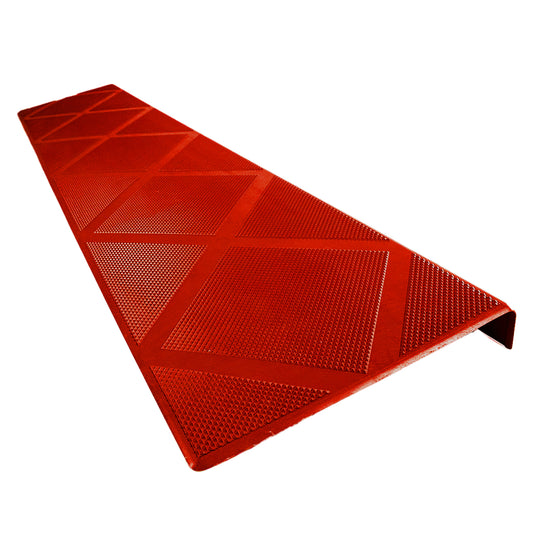
2 Pack Brick Red ComposiGrip™ 48" Non-Slip Stair Treads, Prevent Falls on Wood, Metal & Concrete Indoor & Outdoor Steps, Anti-Slip Step Covers for Rain, Snow, Ice
Regular price From $148.80 CADRegular price -
Custom Cut Non-Slip Stair Treads – Heavy-Duty Anti-Slip Covers for Indoor & Outdoor Steps | ComposiGrip™ - 1 Piece
Regular price $79.90 CADRegular price -
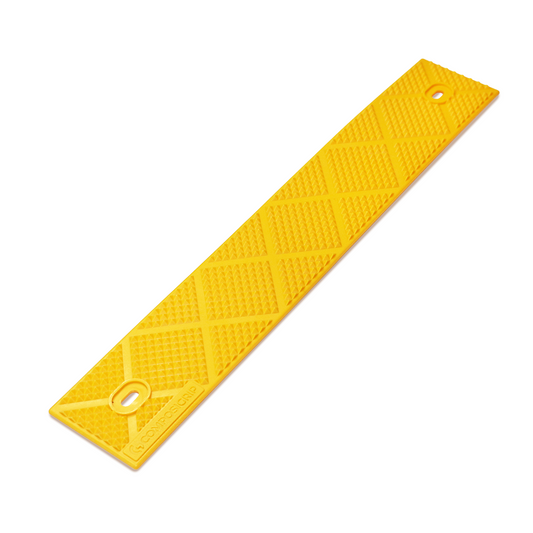
Safety Yellow Non-Slip Stair Strips 2 Pcs, 2" Wide x 12", 18" or 32" Long ComposiGrip™
Regular price From $6.60 CADRegular price -
ComposiGrip™ Non-Slip Stair Strips - Onyx Black - 2 Pcs
Regular price From $6.60 CADRegular price -
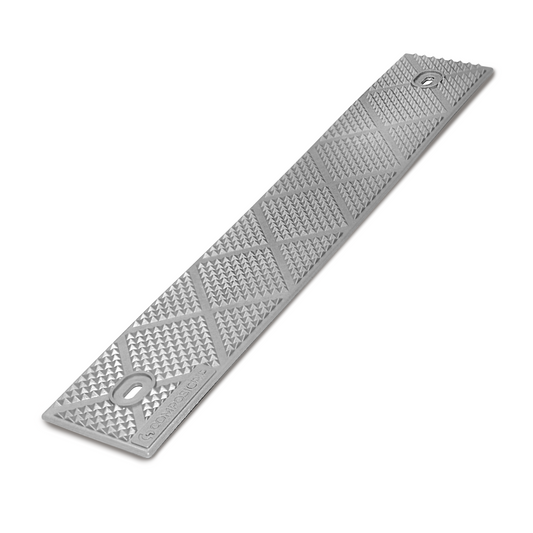
ComposiGrip™ Non-Slip Stair Strips - Grey - 2 Pcs
Regular price From $6.60 CADRegular price -
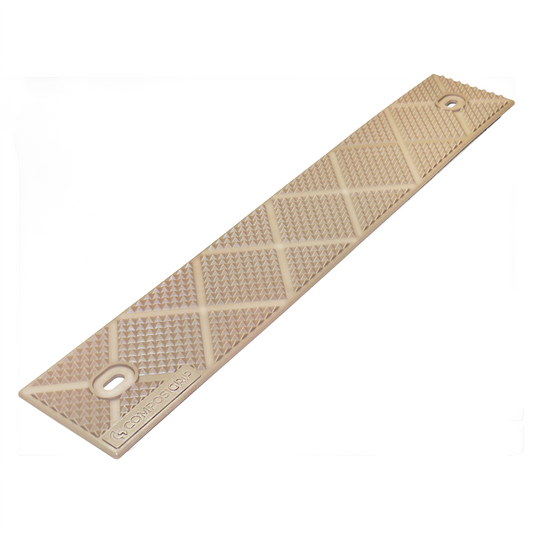
ComposiGrip™ Non-Slip Stair Strips - Beige - 2 Pcs
Regular price From $6.60 CADRegular price




Basement Stairs Safety: The Complete Guide to Prevent Slips, Falls & Injuries
Basement stairs are one of the most dangerous areas in any home or building—especially in Northern US states and Canada, where moisture, cold temperatures, poor lighting, and worn materials create the perfect conditions for slips and falls.
Whether you are a homeowner in Burlington, a property manager in Toronto, New York or a contractor, ensuring basement stair safety is not optional—it’s essential.
This comprehensive guide explains:
- Why basement stairs are high-risk
- How to fix slippery basement stairs permanently
- The best anti-slip and visibility solutions
- Building code considerations (Canada & North America)
- How ComposiGrip™ and Ecoglo® systems deliver long-term, safety
Why Basement Stairs Are So Dangerous

Basement stairs combine multiple risk factors rarely found together in other areas of a building.
1. Moisture & Humidity
Basements naturally collect moisture due to:
- Groundwater seepage
- Condensation
- Poor ventilation
This leads to:
- Slippery surfaces
- Mold and algae buildup
- Degraded stair materials
2. Poor Lighting Conditions
Basement stairs are often:
- Dimly lit
- Completely dark during power outages
- Missing proper step edge contrast
This dramatically increases fall risk.
3. Steep & Narrow Staircases
Many basement stairs:
- Are steeper than code-compliant stairs
- Have inconsistent riser heights
- Lack proper handrails
4. Worn or Smooth Surfaces
Common materials like:
- Painted wood
- Bare concrete
- Metal
Become extremely slippery—especially when wet or dusty.
The Real Cost of Unsafe Basement Stairs

Injury Risks
Falls on stairs are among the leading causes of injuries in Canada:
- Head injuries
- Back injuries
- Broken bones
- Long-term mobility issues
Liability Risks
For landlords, property managers, and businesses:
- Lawsuits
- Insurance claims
- Code violations
Hidden Risk for Families
Children, seniors, and pets are especially vulnerable.
Signs Your Basement Stairs Are Unsafe
Visual Warning Signs
- Smooth or shiny stair surfaces
- Dark or poorly visible steps
- Uneven or damaged treads
- Water or dampness
Functional Warning Signs
- Slipping even occasionally
- Holding walls instead of handrails
- Hesitation when using stairs
If any of these are present, your stairs need immediate attention.
How to Fix Slippery Basement Stairs (Permanent Solutions)
Temporary Fixes (Not Recommended Long-Term)
- Rugs or carpets (can move or bunch up)
- Adhesive tapes (wear out quickly)
- Paint with grit (loses traction over time)
Permanent Safety Solutions
The most effective long-term approach includes:
1. Anti-Slip Stair Tread Covers
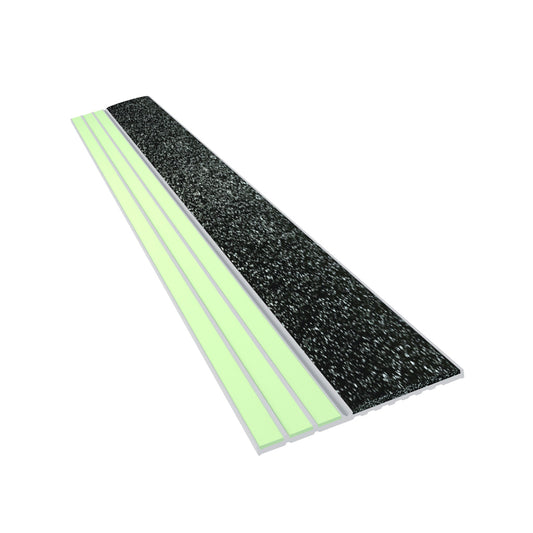
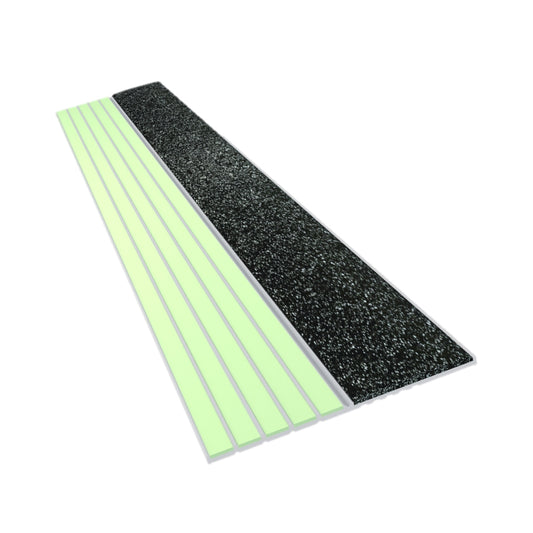
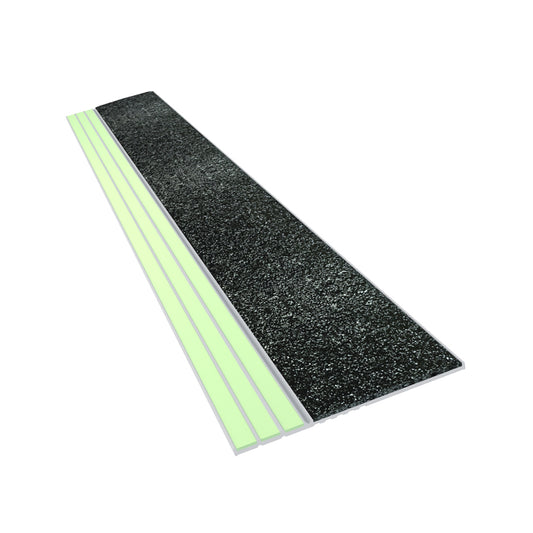
Install ComposiGrip™ non-slip stair treads:
- Industrial-grade fiberglass (FRP)
- Aggressive anti-slip surface
- Covers full step area
- Works on wood, concrete, metal
2. High-Visibility Step Edges
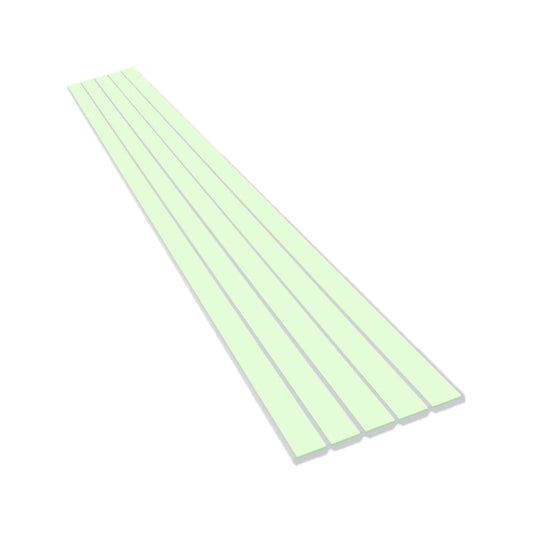
Install Ecoglo® glow-in-the-dark nosings:
- Photoluminescent technology
- harges from ambient light
- Provides visibility in total darkness
3. Proper Lighting + Contrast
Combine:
- Overhead lighting
- Step edge markings
- Contrast strips
Why ComposiGrip™ Is the Best Solution for Basement Stairs
Engineered for Maximum Grip
Unlike tapes or coatings, ComposiGrip™:
- Uses embedded grit technology
- Maintains traction even when wet
- Performs in dusty basement conditions
Built for Canadian Conditions
- Resistant to moisture and mold
- Durable in fluctuating temperatures
- Long-lasting (years, not months)
Easy Installation
- Install in minutes
- Fits over existing stairs
- No major renovation required
Ideal For
- Homes
- Rental properties
- Commercial basements
- Industrial facilities
Why Ecoglo® Is Critical for Basement Stair Visibility
Safety in Power Outages
Basements often lose lighting first during outages.
Ecoglo®:
- Glows in total darkness
- Guides safe exit paths
- Reduces panic and accidents
Code Compliance & Egress Safety
Photoluminescent markings are widely used in:
- Commercial buildings
- Transit systems
- Emergency exit pathways
Psychological Safety
Clear visibility:
- Reduces hesitation
- Builds confidence
- Improves usability
The Ultimate Basement Stair Safety System
The safest approach combines both:
Step-by-Step Safety System
- Install ComposiGrip™ treads for traction
- Add Ecoglo® nosings for visibility
- Improve lighting
- Ensure proper handrails
This creates:
👉 Grip + Visibility + Confidence
Basement Stair Safety for Different Materials
Wooden Basement Stairs
- Become slick when polished or worn
- Best solution: ComposiGrip™ full tread covers
Concrete Basement Stairs
- Dust + moisture = slippery surface
- Best solution: anchored anti-slip treads
Metal Basement Stairs
- Extremely slippery when wet
- Requires aggressive grip surface
Basement Stair Safety Across the United States
Northeast (New York, New Jersey, Massachusetts, Pennsylvania)
- Older homes with steep basement stairs
- High humidity and damp basements
- Increased risk of mold and slippery surfaces
Midwest (Illinois, Ohio, Michigan, Minnesota)
- Cold winters with freeze-thaw cycles
- Moisture buildup from snow and ice
- Concrete stairs becoming slick and hazardous
South (Texas, Florida, Georgia, North Carolina)
- High humidity year-round
- Condensation on basement and garage stairs
- Increased risk of algae and slick surfaces
West Coast (California, Washington, Oregon)
- Rain-heavy regions causing wet stair conditions
- Earthquake retrofits leading to narrow or steep stairs
- Outdoor-to-basement transitions increasing slip risk
Mountain & Cold Regions (Colorado, Utah, Idaho)
- Snow tracked indoors onto basement stairs
- Rapid temperature changes causing condensation
- Increased fall risk in winter months
Basement Stair Safety Across Canada
Ontario (Toronto, Burlington, Mississauga)
- High humidity basements
- Seasonal moisture issues
Quebec & Atlantic Canada
- Older homes
- Poor lighting conditions
Western Canada
- Cold + condensation cycles
ComposiGrip™ and Ecoglo® solutions are used across Canada for:
- Residential homes
- Commercial buildings
- Industrial safety upgrades
Basement Stair Safety for Homeowners
Protect Your Family
Prevent:
- Slips during laundry trips
- Falls carrying items
- Night-time accidents
Increase Property Value
Safe stairs:
- Improve home appeal
- Reduce inspection issues
Basement Stair Safety for Landlords & Property Managers
Reduce Liability
Installing ComposiGrip™:
- Shows proactive safety measures
- Reduces tenant complaints
Meet Safety Expectations
Modern tenants expect:
- Safe access
- Proper lighting
- Non-slip surfaces
Basement Stair Safety for Contractors & Builders
Add Value to Projects
Offer:
- Anti-slip upgrades
- Code-compliant solutions
Differentiate Your Work
Stand out with:
- Safety-first installations
- Premium materials
Installation Guide (Quick Overview)
Tools Required
- Drill
- Screws
- Measuring tape
Steps
- Clean surface
- Position tread
- Secure with screws
- Install nosings
FAQs on Basement Stairs Safety
What is the best way to make basement stairs safer?
The best way is to install ComposiGrip™ non-slip stair treads for traction and Ecoglo® glow-in-the-dark nosings for visibility.
Why are basement stairs slippery?
Basement stairs become slippery due to moisture, dust, worn surfaces, and poor lighting.
Are anti-slip stair treads worth it?
Yes. High-quality treads like ComposiGrip™ provide long-term safety and reduce fall risk significantly.
Do glow-in-the-dark stair nosings really work?
Yes. Ecoglo® absorbs light and emits a visible glow in darkness, helping guide safe movement.
Are these solutions suitable for Canadian winters?
Yes. ComposiGrip™ performs in wet, cold, and humid conditions common in Canada.
Can I install these myself?
Yes. Both systems are designed for quick DIY installation.
Are they suitable for renters?
Yes. They can be installed without major structural changes.
Do they work on concrete stairs?
Yes. ComposiGrip™ is designed for wood, concrete, and metal.
How long do they last?
Years—far longer than tapes or coatings.
Do they help with building code compliance?
Yes. Visibility and slip resistance support safety standards.
Final Takeaway: Don’t Wait for an Accident
Basement stairs are a hidden hazard in homes and buildings.
The safest solution is simple:
👉 Install ComposiGrip™ for grip
👉 Add Ecoglo® for visibility
Together, they transform dangerous basement stairs into safe, secure, and confidence-building steps.
Protect Lives with Glow-in-the-Dark Egress — Shop Ecoglo®
-
Ecoglo® G5001 Luminous Guidance 1" Wide Strip
Regular price From $23.12 CADRegular price -
Ecoglo® E20 Series Luminescent Step Edge Contrast Strips for Enhanced Visibility & Safety - 1.5" Wide
Regular price From $30.28 CADRegular price -
Ecoglo® E40 Series Luminescent Contrast Strips 2" Wide
Regular price From $37.70 CADRegular price -
Ecoglo® E30 Series Luminescent Contrast Strips 2" Wide
Regular price From $37.70 CADRegular price