Deck Stairs Slippery? Fix It Fast with ComposiGrip™ Non-Slip Outdoor Garden Stair Treads
ComposiGrip™ Non-Slip & Anti Slip Stair Treads for Outdoor Deck & Garden Stairs (USA & Canada)
⭐ Used by contractors across the USA and Canada
Looking for non-slip outdoor stair treads for slippery deck stairs? Your outdoor space should be a place of comfort—not a hazard. Whether you're entertaining guests on your deck or walking through your garden, slippery stairs can quickly turn into a serious safety risk.
ComposiGrip™ non-slip and anti-slip stair treads for outdoor decks and garden stairs provide a fast, long-lasting solution to slippery deck stairs, helping prevent falls while preserving the natural look of your outdoor space.
👉 Ideal for homeowners, contractors, and property managers across North America dealing with wet, icy, or algae-covered stairs.
✅ Shop Non-Slip Stair Treads
Request a Quote, Call:1-855-277-0306
Why Deck Stairs Become Slippery & Dangerous?

Deck stairs become slippery due to:
- Rain and standing water
- Snow and ice buildup
- Mold, moss, and algae growth
- Wet leaves and debris
- Smooth wood or composite decking surfaces
👉 If your deck stairs are slippery when wet, you are at high risk of slips, falls, and liability—especially in Canada and Northern US climates.
Why Your Outdoor Steps Need ComposiGrip™ Non Slip Stair Treads
⭐ Rated for snow, rain, and ice

Outdoor stairs are constantly exposed to weather—rain, frost, snow, leaves, and even algae—all of which make wooden, composite, or stone steps dangerously slick.
Installing ComposiGrip™ Non-Slip Outdoor Stair Treads creates instant traction on deck stairs, helping prevent slips and falls year-round, especially in:
- Rainy climates (Pacific Northwest, Ontario, BC)
- Snowy or icy regions (Canada, Northern USA)
- Shaded garden paths prone to moss
- Poolside or waterfront steps
- Sloped yards and backyard walkways
Benefits of ComposiGrip™ Exterior Non-Slip Stair Treads for Decks and Gardens
⭐ Anti-slip tested for real outdoor conditions
✅ Year-Round Safety – Prevent slips on wet, icy, or algae-covered deck stairs
✅ Contractor-Grade Durability – Built for heavy traffic, UV, and extreme weather
✅ Fast Installation – DIY-friendly, install in minutes
✅ Slip-Resistant Surface (High Grip) – Designed for barefoot, shoes, pets
✅ Eco-Conscious Options – Sustainable material options available
✅ Blends with Outdoor Design – Natural colors that match decks and gardens
✅ Reduces Liability Risk – Safer steps for guests, tenants, and customers
👉 Perfect for residential, commercial, and rental properties.
✅ Get a Custom Quote, Call:1-855-277-0306
Where to Use ComposiGrip™ Non-Slip Stair Treads
If your deck stairs are slippery, these are the most common high-risk areas:
- Backyard decks and exterior stairs
- Garden pathways and landscape steps
- Front porch steps and entryways
- Patio transition steps
- Cottage, cabin, and waterfront stairs
- Dock and marina access steps
- Pool decks and hot tub steps
👉 Any outdoor stair that gets wet = needs traction.
Best Materials for Fixing Slippery Deck Stairs
Designed for Outdoor Durability: Making Your Exterior Steps Safe
Outdoor stair treads must do more than add traction—they must last through seasonal extremes. Our weatherproof treads are made from materials that don’t crack, fade, or peel:
1. Composite Grit Treads (Most Popular)
- Long-lasting and rot-proof
- High traction in rain, snow, and ice
- Ideal for wood and composite decks
2. FRP (Fiberglass Reinforced Polymer) Treads
- Industrial-grade slip resistance
- Corrosion-resistant (perfect for wet areas)
- Used by contractors and commercial properties
👉 Both options are designed to outperform basic anti-slip tapes or paints.
Simple Installation – Fix Slippery Deck Stairs in Minutes
Most ComposiGrip™ outdoor stair treads are designed for quick DIY installation.
Works on:
- Wood deck stairs
- Composite decking
- Concrete steps
- Stone and brick stairs
Installation Steps:
- Clean and dry the surface
- Align tread placement
- Secure with screws or adhesive
- Test grip and stability
👉 No special tools. No complicated process. Instant safety upgrade.
Enhance Curb Appeal While Improving Safety
Unlike temporary solutions, ComposiGrip™ treads improve both safety AND aesthetics:
- Wood-look finishes for seamless deck integration
- Stone/slate styles for garden pathways
- Modern grey and black contractor finishes
- Optional high-visibility edges for safety compliance
👉 Safety doesn’t have to look industrial—it can look premium.
Deck Stairs Slippery in Winter? Here’s the Real Fix
In Canada and northern US states, winter creates the most dangerous conditions:
- Ice forms overnight
- Snow hides step edges
- Freeze-thaw cycles increase risk
ComposiGrip™ treads are engineered for:
- Freeze-thaw durability
- Ice-resistant grip surfaces
- Consistent traction even in sub-zero temperatures
👉 This is why contractors recommend ComposiGrip™ over rubber mats or anti-slip paint.
Frequently Asked Questions
How do I fix slippery deck stairs permanently?
The most effective solution is installing non-slip stair treads like ComposiGrip™, which provide long-term traction in all weather conditions.
What is the best anti-slip solution for outdoor deck stairs?
Composite grit or FRP stair treads are the best solutions because they offer durability, strong grip, and weather resistance, unlike tapes or coatings.
Do anti-slip stair treads work in rain and snow?
Yes. ComposiGrip™ treads are specifically designed to maintain traction in wet, icy, and snowy conditions.
Are these safe for wooden deck stairs?
Absolutely. They are commonly installed on wood, composite, and pressure-treated deck stairs.
How long do outdoor stair treads last?
High-quality treads can last years without replacement, even in harsh climates.
Can I install non-slip treads myself?
Yes. Most installations take under an hour with basic tools.
Are slippery deck stairs a liability risk?
Yes. Slips and falls on stairs can lead to injuries and legal liability, especially for landlords and commercial properties.
Do these work for icy stairs in Canada?
Yes. They are specifically engineered for Canadian winters and freeze-thaw conditions.
Are these better than anti-slip tape or paint?
Yes. Treads provide longer-lasting, more durable traction compared to temporary solutions like tape or coatings.
✅ Order Samples Today
Step Into Safety with ComposiGrip™ Non-Slip Outdoor Stair Treads
Don’t let slippery deck stairs turn your outdoor space into a hazard.
With ComposiGrip™ anti slip and non slip stair treads for outdoor decks and garden stairs, you get:
✔ Immediate traction
✔ Long-term durability
✔ Safer steps in all weather
✔ Peace of mind for your family and guests
📞 Request Custom Sizes or Bulk Orders
Designed for nature. Built for safety. Trusted across North America.
STOP FALLS ON SLIPPERY OUTDOOR DECK STAIRS - SHOP NOW

48" Non Slip Stair Treads
-
Beige Non-Slip Stair Treads – Prevent Falls on Wood, Metal & Concrete Indoor & Outdoor Steps - ComposiGrip™ 48" Anti-Slip Step Covers | Rain, Snow, Ice - 2 Pack
Regular price From $119.90 CADRegular price -
Gray Non-Slip Stair Treads – Prevent Falls on Wood, Metal & Concrete Indoor & Outdoor Steps - ComposiGrip™ 48" Anti-Slip Step Covers | Rain, Snow, Ice - 2 Pack
Regular price From $119.90 CADRegular price -
Black Non-Slip Stair Treads – Prevent Falls on Wood, Metal & Concrete Indoor & Outdoor Steps - ComposiGrip™ 48" Anti-Slip Step Covers | Rain, Snow, Ice - 2 Pack
Regular price From $119.90 CADRegular price -
Safety Yellow Non-Slip Stair Treads – Prevent Falls on Wood, Metal & Concrete Indoor & Outdoor Steps - ComposiGrip™ 48" Anti-Slip Step Covers | Rain, Snow, Ice - 2 Pack
Regular price From $119.90 CADRegular price -
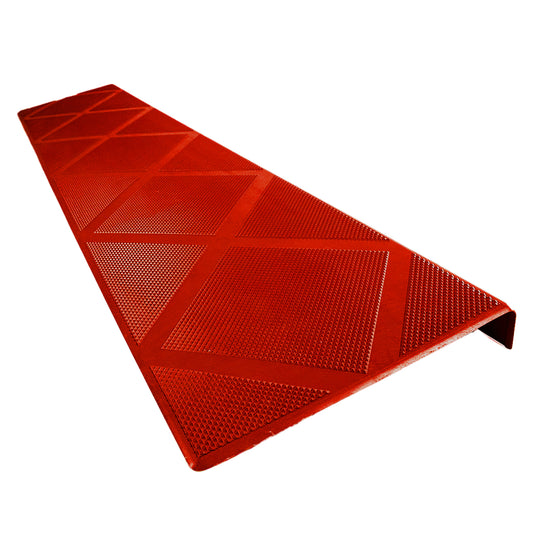
Brick Red Non-Slip Stair Treads – Prevent Falls on Wood, Metal & Concrete Indoor & Outdoor Steps - ComposiGrip™ 48" Anti-Slip Step Covers | Rain, Snow, Ice - 2 Pack
Regular price From $119.90 CADRegular price -
Custom Cut Non-Slip Stair Treads – Heavy-Duty Anti-Slip Covers for Indoor & Outdoor Steps | ComposiGrip™ - 1 Piece
Regular price $79.90 CADRegular price -
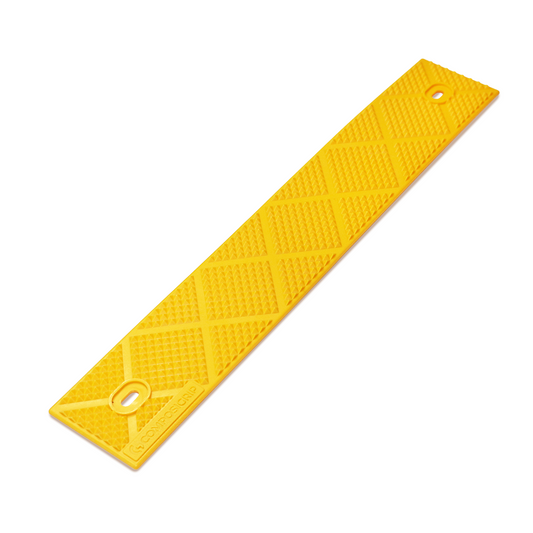
Safety Yellow Non-Slip Stair Strips 2 Pcs, 2" Wide x 12", 18" or 32" Long ComposiGrip™
Regular price From $6.60 CADRegular price -
ComposiGrip™ Non-Slip Stair Strips - Onyx Black - 2 Pcs
Regular price From $6.60 CADRegular price -
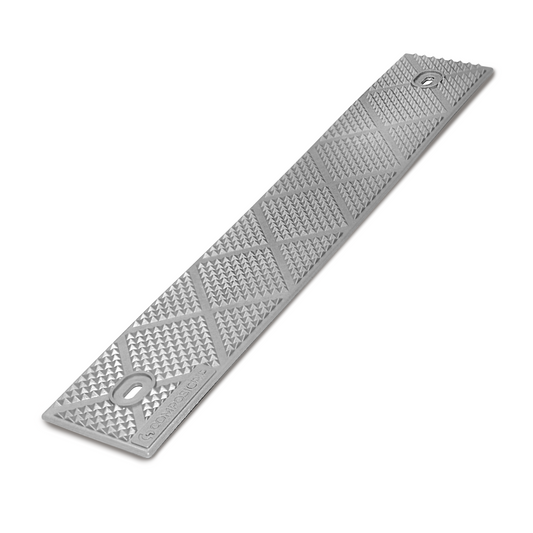
ComposiGrip™ Non-Slip Stair Strips - Grey - 2 Pcs
Regular price From $6.60 CADRegular price -
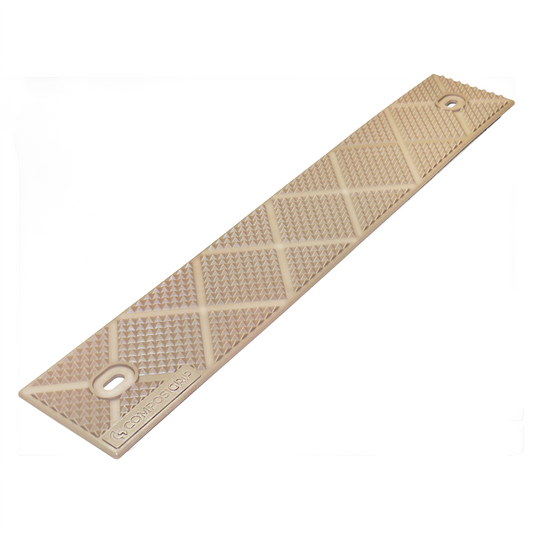
ComposiGrip™ Non-Slip Stair Strips - Beige - 2 Pcs
Regular price From $6.60 CADRegular price